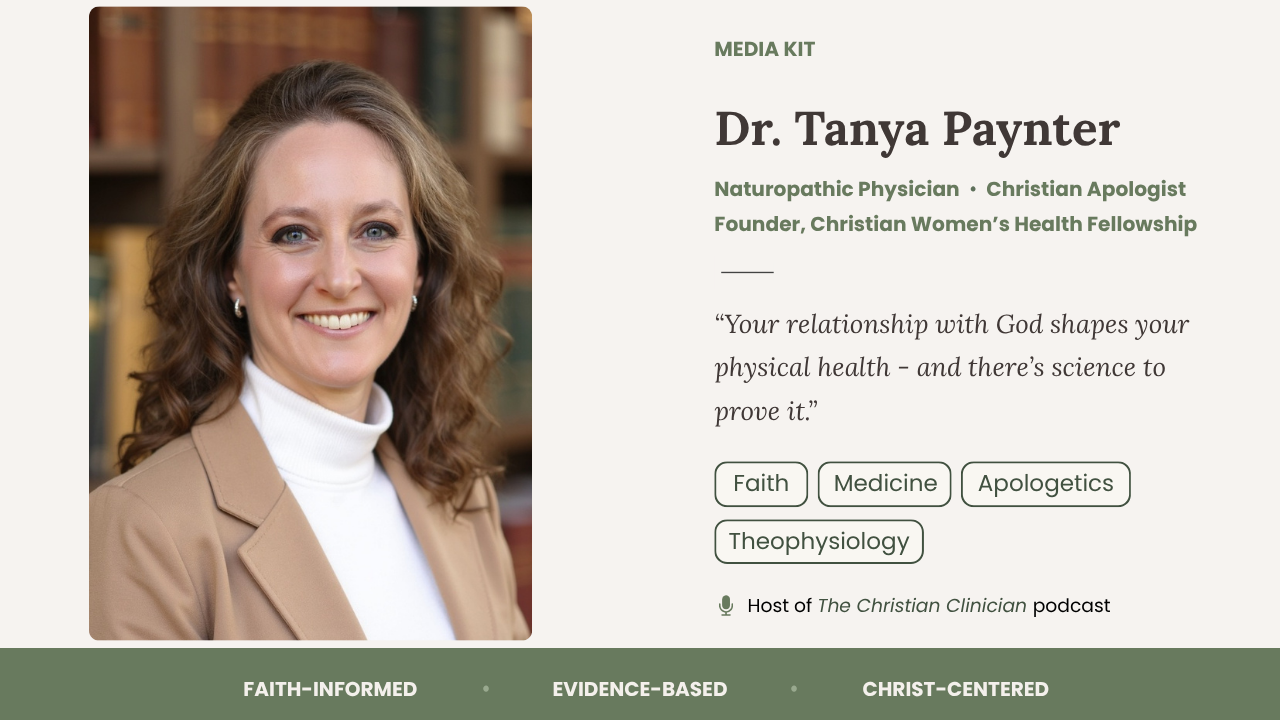
Dr. Tanya Paynter, ND
CEO Psalm Medical | Founder Christian Woman's Health Fellowship | Host Christian Clinician
Headshots
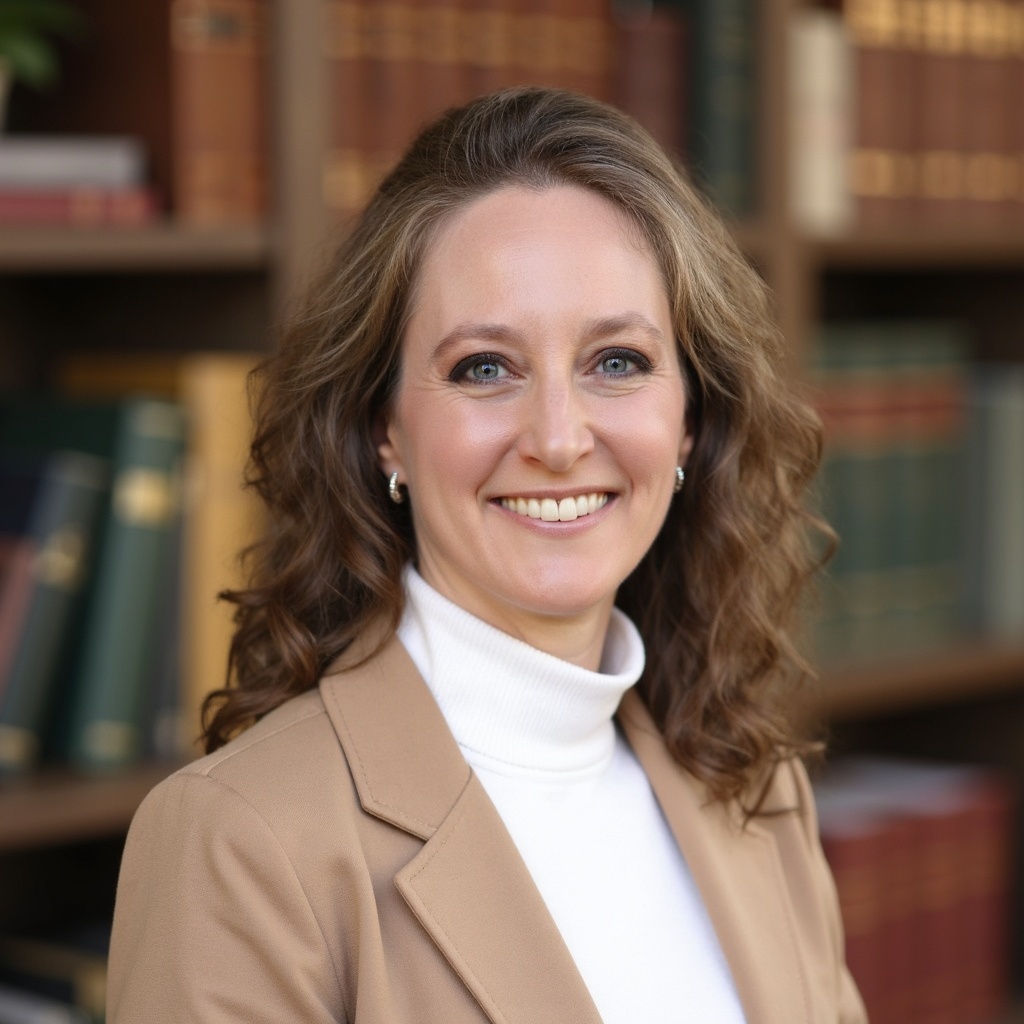
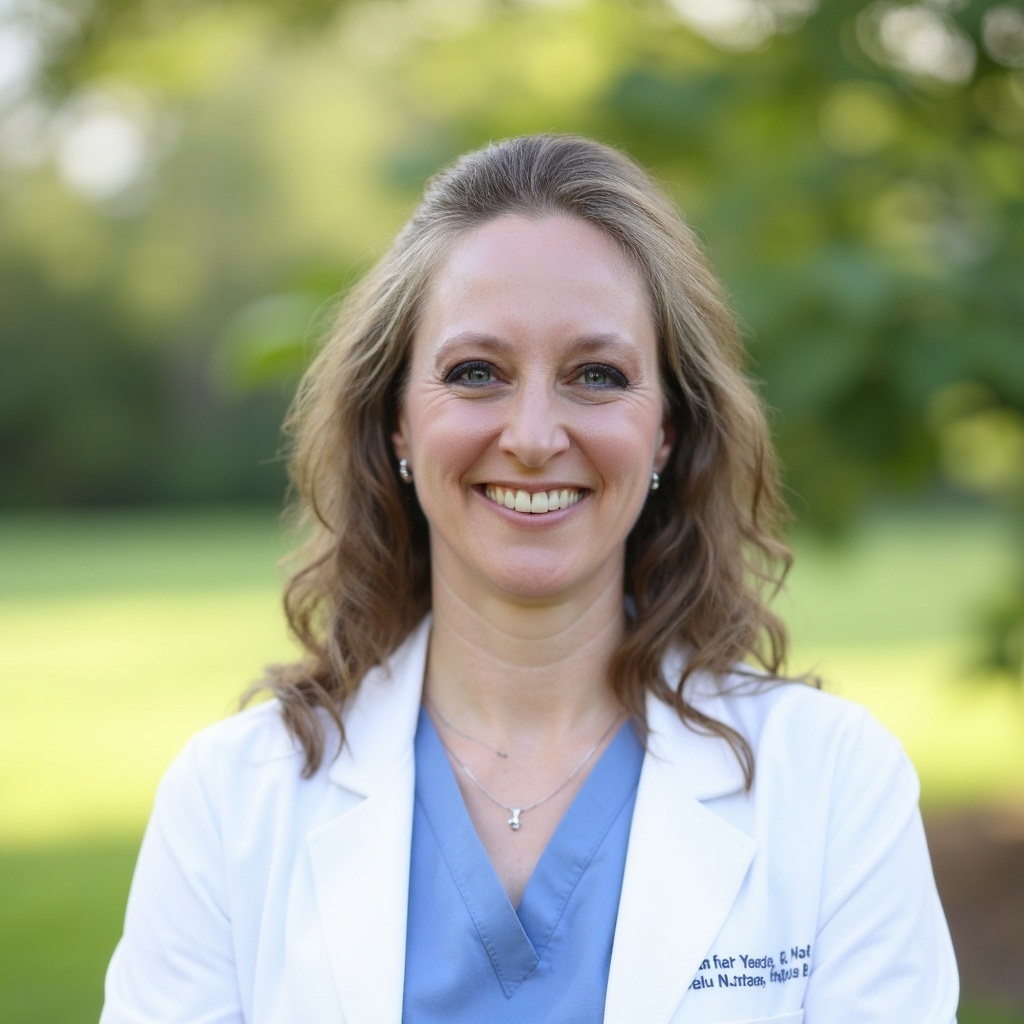
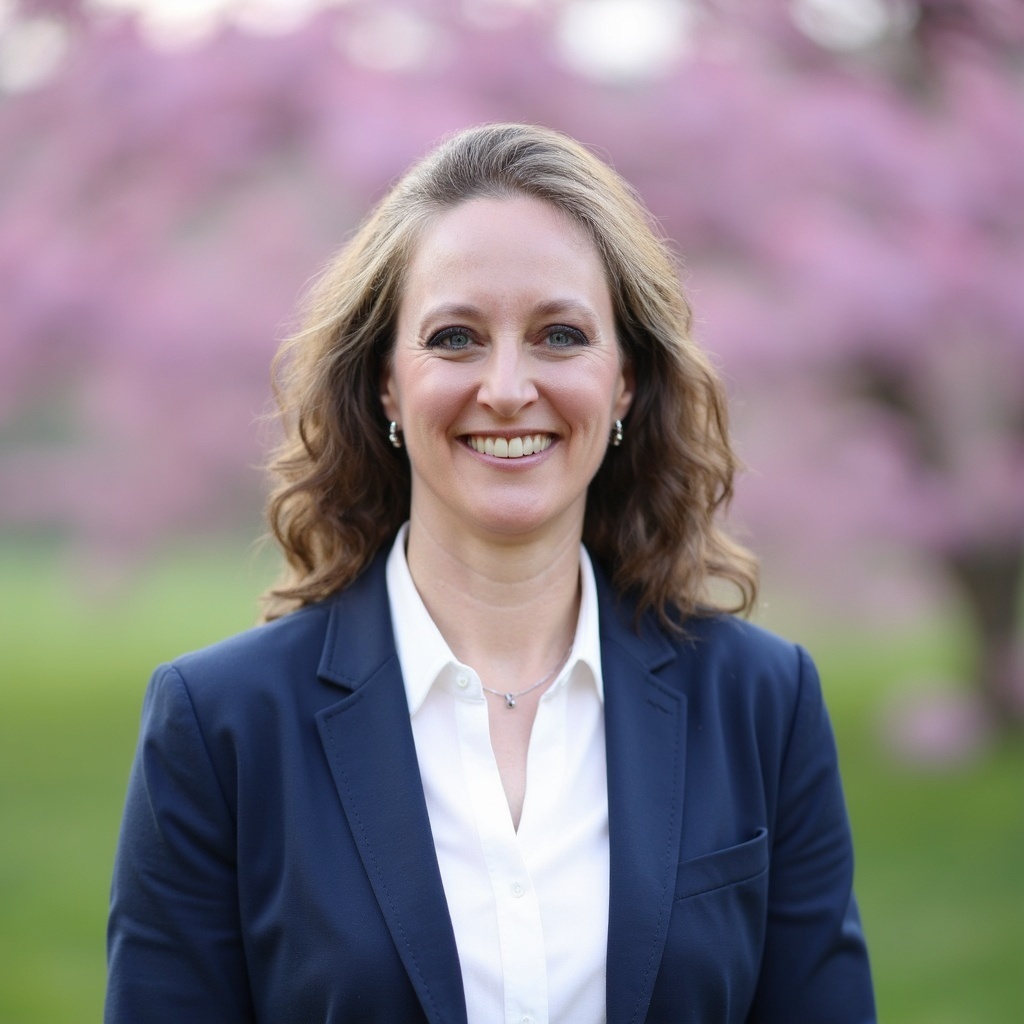
Note: Please feel free to interchange Tanya and Dr. Paynter depending on whether you would like the bio to read more casually or formally. However, please do not remove reference to God from my bio. If my bio or message does not align with your podcast or audience, please let me know as I will not be a good fit for your show. Thank you!
"One Liner" Bio (short - 43 words)
Dr. Tanya Paynter is a naturopathic physician, Christian apologist, and founder of the Christian Women's Health Fellowship — helping Christian women in midlife understand how their relationship with God shapes their physical health, nervous system, and mental and emotional well-being.
Short Bio (medium - 111 words)
Dr. Tanya Paynter is a naturopathic physician with a master's in Christian Apologetics, host of The Christian Clinician podcast, and founder of the Christian Women's Health Fellowship. She brings a rare combination of clinical and theological training to the care of Christian women in midlife by helping them understand how their relationship with God shapes their physical health, nervous system regulation, and mental and emotional well-being. Drawing on functional medicine, apologetics, and her own healing journey, Dr. Paynter offers a compassionate, Christ-centered, evidence-informed approach to medicine — supporting women through anxiety and fatigue, perimenopausal hormone shifts, gut healing, and overwhelm while helping them restore their health and strengthen their faith.
Speaker Bio (long - 244 words)
Dr. Tanya Paynter is a naturopathic physician with a master's in Christian Apologetics, host of The Christian Clinician podcast, and founder of the Christian Women's Health Fellowship. She brings a rare combination of clinical and theological training to the care of Christian women in midlife — helping them understand how their relationship with God shapes their physical health, nervous system regulation, and mental and emotional well-being.
Dr. Paynter completed her doctoral training in naturopathic medicine and practices faith-based functional medicine built around five interconnected pillars of health — physical, emotional, mental, fellowship, and spiritual. Rather than treating symptoms in isolation, she works at the root level of all five, recognizing that the nervous system is the biological thread connecting them all. This framework forms the foundation of what she calls theophysiology — her original approach to understanding how our relationship with God directly shapes our physiology, and why no pillar of health can be fully restored without tending to the others.
Her master's in Christian Apologetics shapes not just how she speaks about faith, but how she practices medicine — equipping women to think clearly about suffering, healing, and what it means to trust God with their bodies. This theological grounding is what sets her work apart from the broader faith and wellness conversation.
Through The Christian Clinician podcast and the Christian Women's Health Fellowship community, Dr. Paynter reaches women across the country who are looking for more than symptom relief — women who believe their faith and their health are not separate pursuits and want care that honors both.
Social Links
Facebook: The Christian Clinician
https://www.facebook.com/TheChristianClinician
Instagram: @ChristianClinician
https://www.instagram.com/christianclinician/
Podcast: The Christian Clinician
YouTube: The Christian Clinician
https://www.youtube.com/channel/UC2Tg6vrZKyusPRJVLuORciw
Free Guide for Audience: Why Has God Not Healed Me Yet?
https://www.psalmmedical.com/healing-prayer
Note: This link is provided for you to preview the guide but I prefer to share a custom landing page specific to your audience for public use. I will provide an updated link when we have confirmed a recording date.
Favorite Topics with Sample Questions
As a naturopathic doctor, I can speak to chronic illness, migraines, perimenopause/hormones, autoimmunity, gut health, anxiety/depression, fatigue, etc. from a natural health and "root cause" standpoint. I'm always happy to talk about functional medicine and naturopathic modalities.
However, my favorite topics include how our faith affects our health.
TOPIC 1: Theophysiology: How Your Relationship with God Shapes Your Physical Health
TOPIC 2: The Five Pillars of Whole-Person Health
TOPIC 3: Your Nervous System Is Listening: Stress, Faith, and the Biology of Belief
TOPIC 4: Midlife, Perimenopause, and the Providence of God
TOPIC 5: Suffering, Science, and the Sovereignty of God
TOPIC 6: The Hidden Health Consequences of Unresolved Doubt and Spiritual Struggle
TOPIC 7: The Apologetics Every Christian Needs
TOPIC 8: Fellowship Isn't Optional: What the Science Says
TOPIC 9: Raising Healthy Families: Faith, Medicine, and the Christian Home
TOPIC 1: Theophysiology: How Your Relationship with God Shapes Your Physical Health
The clinical and theological case for why your relationship with God is one of the most powerful forces shaping your physical health
- You've coined the term "theophysiology" — a word that doesn't exist yet in mainstream medicine or theology. Where did this idea come from and what gap were you trying to fill?
- What does it actually mean to say our relationship with God shapes our physical health? Can you walk us through the biological mechanism behind that claim?
- A lot of people would hear "faith affects your health" and assume you mean positive thinking or stress reduction. How is theophysiology different from that?
- What does the science say about how our spiritual state affects our nervous system, hormones, and immune function?
- What does Scripture say about the connection between our relationship with God and our physical bodies? Is this a new idea theologically or has the church always known this?
- What does it look like clinically when a woman's relationship with God is either thriving or struggling? What symptoms show up in your practice?
- If a woman listening today wants to start understanding her own health through the lens of theophysiology, where does she begin?
TOPIC 2: The Five Pillars of Whole-Person Health
Why treating symptoms without addressing your spiritual, mental, emotional, and relational health isn't enough
- You've built your clinical framework around five interconnected pillars of health. Can you walk us through each one and why you chose these five specifically?
- Most people think of health as purely physical. When did you realize that physical symptoms were actually downstream of these other pillars?
- You say the nervous system is the biological thread connecting all five pillars. Can you explain what that means in practical terms for a woman who is struggling physically?
- In your clinical experience, which pillar do Christian women most commonly neglect — and why do you think that is?
- What happens in the body when one pillar is chronically under-resourced? Can you give us a clinical example of what that looks like?
- Fellowship and community is one of your five pillars — that's not something most physicians prescribe. Why is relational health a medical issue and not just a social one?
- If a woman wanted to do an honest audit of her five pillars today, what questions should she be asking herself?
TOPIC 3: Your Nervous System Is Listening: Stress, Faith, and the Biology of Belief
What chronic stress, unresolved religious struggles, and disconnection from God are doing to your fatigue, anxiety, and hormones
- You talk about the nervous system as the biological bridge between our faith and our physical health. Can you explain how that works in language a non-scientist can understand?
- What is actually happening in the body when a woman is living in chronic stress — and why does it matter so much for her hormones, gut, and energy levels?
- How does a woman's relationship with God — or disconnection from God — show up in her nervous system? Is there a measurable biological difference?
- You mention unresolved suffering as a driver of physical symptoms. Can you talk about what happens physiologically when a woman is carrying grief, trauma, or unanswered questions about God?
- Polyvagal theory and psychoneuroimmunology are relatively new fields. How do they support what Scripture has always said about the connection between our inner life and our physical health?
- What does nervous system regulation actually look like for a Christian woman — and how is that different from what the secular wellness world is prescribing?
- What is the first step a woman can take today to begin supporting her nervous system from a faith-based perspective?
TOPIC 4: Midlife, Perimenopause, and the Providence of God
A faith-based functional medicine approach to hormonal shifts, anxiety, and overwhelm in perimenopause
- Perimenopause is having a cultural moment right now but most of the conversation is purely clinical. What is missing from that conversation that you bring as a Christian physician?
- What are the most common symptoms you see in midlife Christian women that aren't being adequately addressed by conventional medicine?
- You practice faith-based functional medicine. How does that approach differ from what a woman would experience in a conventional OB or primary care setting when she brings up perimenopausal symptoms?
- Is there a spiritual dimension to midlife and perimenopause that the church isn't talking about? What should women in this season understand theologically about what they're experiencing?
- How does chronic stress and spiritual disconnection amplify perimenopausal symptoms? What does that relationship look like clinically?
- A lot of women in midlife feel like their body is betraying them and God has forgotten them. What would you say to that woman?
- What does restoration look like for a midlife Christian woman who is hormonally depleted, spiritually dry, and emotionally overwhelmed — where does she even start?
TOPIC 5: Suffering, Science, and the Sovereignty of God
An apologetics-informed conversation about pain, illness, and what it means to trust God
- You hold a master's in Christian Apologetics alongside your medical degree. How does apologetics actually inform the way you sit with patients who are suffering?
- The problem of suffering is one of the oldest objections to the Christian faith. How do you address that in a clinical context when a woman is asking why God is allowing her to be sick?
- Is there a biological cost to unresolved theological doubt or spiritual suffering? What does the science say about what happens in the body when we can't make sense of our pain?
- How do you hold the tension between praying for healing and pursuing medical treatment? Where does faith end and medicine begin — or does that distinction even hold up?
- You've referenced your own healing journey. How did your personal experience of suffering shape both your theology and your clinical approach?
- What does the Bible actually say about the relationship between suffering and the body that the church often overlooks or misapplies in pastoral care settings?
- What would you say to a Christian woman who has prayed, sought healing, done everything right spiritually — and is still sick? What does faithful suffering look like?
TOPIC 6: The Hidden Health Consequences of Unresolved Doubt and Spiritual Struggle
How unprocessed doubt and unanswered questions about God take a measurable toll on your body, emotions, and faith
- What are the most common doubts Christians struggle with today — and why do so many feel they have to carry them alone?
- Through the lens of theophysiology, what is actually happening in the body when doubt goes unprocessed? What does unresolved spiritual tension do to the nervous system?
- What myths about doubt do you think the church needs to correct — and what does getting it wrong cost women physically and emotionally?
- Can doubt ever strengthen faith? How have you seen that play out clinically in your patients?
- What role does community play in helping women wrestle honestly with doubt without losing their footing?
- In your clinical experience, what are the physical symptoms that show up most commonly in women who are quietly losing their faith or carrying unresolved theological pain?
- What would you say to a woman right now who feels like she's losing her faith and doesn't know where to turn?
TOPIC 7: The Apologetics Every Christian Needs
How thinking clearly about your faith can change not just what you believe — but how your body heals
- What is Christian Apologetics, and why do you believe it's essential for every believer — not just academics or debaters?
- You went through what you call "A Year of Doubt" - what happened during this year and how did it change your health?
- Where does doubt come from? Is it always intellectual or evidence-based, or are there emotional and even physiological roots to losing faith?
- How do you personally answer the problem of evil and suffering — both as an apologist and as a physician who sits with patients in pain?
- How can Christians engage skeptics and doubters without sounding defensive or dismissive?
- You've built a clinical framework called theophysiology that positions science and faith as allies rather than opponents. How does your apologetics background inform that framework?
- What do you think young people need most when they're facing faith deconstruction — and what does the church keep getting wrong in how it responds?
- What resources — books, podcasts, communities — would you recommend for someone who wants to start exploring apologetics or strengthen their ability to defend their faith?
TOPIC 8: Fellowship Isn't Optional: What the Science Says
The clinical and biblical case for why God designed you to heal in community
- You've identified fellowship and community as one of your five pillars of whole-person health. From a theophysiology standpoint, why did God design us to heal best in relationship rather than isolation?
- What does loneliness actually do to a woman's body — hormonally, neurologically, immunologically?
- You founded the Christian Women's Health Fellowship around this principle. What made you realize that community wasn't just spiritually important but clinically necessary?
- Why do you think women so often carry their burdens silently instead of seeking support — and what does that silence cost them physically?
- How can a woman begin finding trustworthy community if she's been hurt, betrayed, or burned by the church before?
- What's the difference between casual friendship and true biblical fellowship when it comes to actual healing outcomes?
- Shared meals, worship, and honest conversation — how do these specific communal practices lower cortisol, regulate the nervous system, and improve measurable health outcomes?
- What's one first step a woman listening today could take to start building a healing community around her — and where can she find what you've built with the Christian Women's Health Fellowship?
TOPIC 9: Raising Healthy Families: Faith, Medicine, and the Christian Home
A faith-based functional medicine approach to building physically resilient, spiritually grounded families
- Why is it so important for Christian mothers to prioritize their own health before caring for their families — and why does the church sometimes make that harder than it should be?
- Through the lens of theophysiology, how do children literally absorb their parents' stress, faith habits, and nervous system states? What are the physiological implications of that?
- What role does family mealtime play in both physical health and faith formation — and what does the research say about families who eat together regularly?
- How can parents model healthy faith practices at home without becoming legalistic or creating shame around health and spiritual discipline?
- What are the most common barriers Christian families face when trying to prioritize both health and faith together — and how do you help families navigate those?
- How can parents talk honestly with their children about faith, doubt, and hard questions without pushing them away or shutting the conversation down?
- What does a strong faith foundation do to a child's nervous system and long-term resilience — and how can parents begin building that from a young age?